 En
 Bn
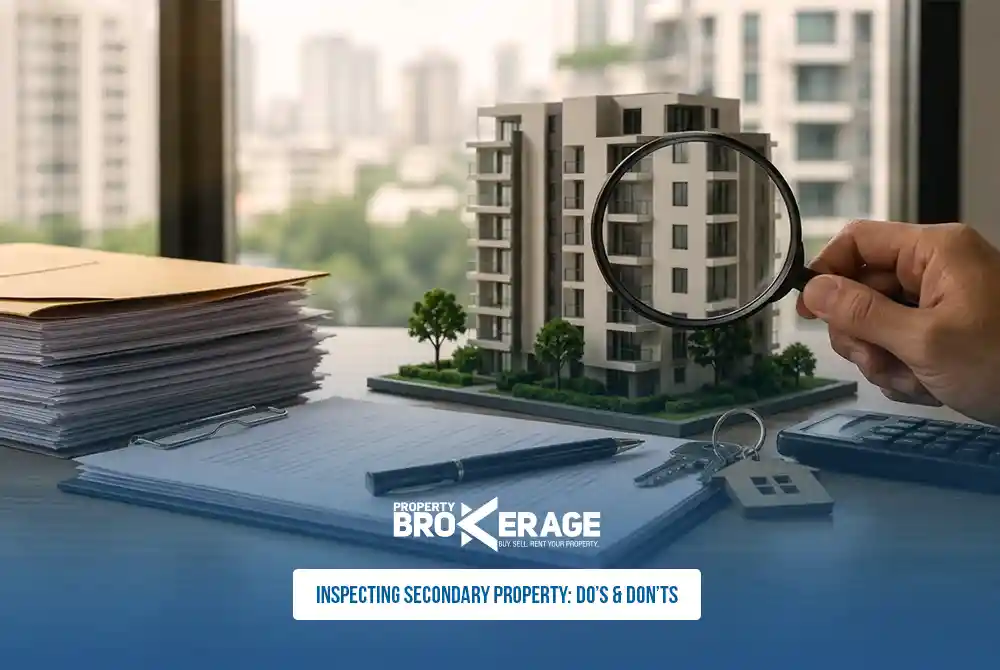
Inspecting Secondary Property: Do’s & Don’ts
Key Takeaways
- Structural Integrity: Always check for hidden dampness (salinity), plumbing, and electrical wiring when conducting a secondary property inspection in Dhaka.
- Legal Documentation: To safely navigate the property vetting process in Bangladesh, you must verify property ownership documents—including the Via-Deed, original allotment, and latest mutation porcha—with the sub-registry office.
- Physical Validation: When buying used flats in Dhaka, ensure the physical layout exactly matches RAJUK or CDA approved plans to avoid inheriting unauthorized structural additions.
The Essential Checklist for Buying Used Flats in Dhaka
In a rapidly evolving real estate market such as Dhaka’s, the appeal of second-hand homes, or “used flats,” becomes clear. It may be the charisma of the existing residential community in Gulshan or the ready-to-use home in Bashundhara; whatever the reason, second-hand properties ensure instant gratification of the desire for a ready apartment that a property under construction cannot provide.
In a crowded city like Dhaka, however, the inspection process for second-hand properties requires considerable diligence. Shifting gears from being a primary buyer to being a secondary buyer means you need to shift from relying on the developer to inspecting an individual’s past thoroughly.
The following list provides a professional perspective on how to navigate the complex world of property inspection in Bangladesh. The key here is to be meticulous in inspection.
1. Perform a Thorough Structural Inspection
While in the case of a handover, you know there are no issues, with second-hand property, there is a lot of history involved. Do not focus only on what meets the eye: look for any dampness (salinity) present in the walls of older structures in Dhaka. Inspect the plumbing and electrical wiring; these are the “veins” of your apartment.
2. Rigorously Confirm the Documentation for Ownership
It is the most crucial phase of buying second-hand properties in Dhaka. Make sure that there are no breaks in the chain of ownership called “Via-Deed” and that everything is genuine. Confirm all documents starting from the original allotment letter, the sale deed, and the latest mutation porcha. You must remember that in Bangladesh, there are no problems like mortgages or other liens on the property.
3. Assess the Quality of the Building and the Management
When you purchase second-hand property, you are actually joining a community of like-minded individuals. Check the maintenance record of the building; is there any reserve fund in the society? Is there enough activity within the flat owners’ association? The proper management of the building maintains its value.
4. Check the Utility Records
It is essential to make sure that all utility bills, such as gas, electricity, and water, are settled properly and are legally registered in the name of the new owner.
The Property Vetting Process in Bangladesh: What Not to Overlook
Certain topics that should not be overlooked when investing in second-hand property:
1. Carefully Examine “Physical Mutation”
While the papers may be in order, the actual property must meet the stipulations outlined in them. Verify the exact square footage and layout of the property against the approved plans of the RAJUK or the CDA. If there is an unauthorized addition to the structure, you will face legal issues in the vetting process in Bangladesh.
2. Don’t Ignore the Development Potential Nearby
<p”>Though the property may seem to be a dream investment now, do you know whether the empty plot of land next to the property will remain that way? It may not be wise to simply accept the neighborhood as being how it is when you know nothing about the local zoning laws that govern future development in your area.
3. Avoid Sole Reliance on Seller Documents for Vetting Process
<p”> Do not trust copies or the words of a seller; demand to see the original documentation and ensure that they are examined by a qualified real estate lawyer. To properly validate property ownership documents, you must cross-check information with the sub-registry office.
4. Recall the Exit Strategy
When buying, consider how you will later sell the asset. A good location will always fetch a better resale value; however, that’s possible only if the structure is in sound condition. As you assess the building for any defects, see if it is near the 20–25 year mark, and then check if there is any scope left for improvement.
A good reason to purchase a secondary piece of real estate is that it will help get a good location and ownership. However, it is essential to have important documentation and a soundly built structure.